
Discover 10 science-backed ways to boost emotional intelligence in children using proven psychological methods. Build empathy, self-awareness, and resilience in kids today!
What is Emotional Intelligence, and Why Should We Care?
Ever seen your child struggle to name their feelings or lash out when they’re overwhelmed? That’s where emotional intelligence (or EI) comes in. It’s all about helping kids recognize, manage, and express their emotions—and understand others too.
Raising emotionally intelligent kids doesn’t just lead to better behavior. It sets them up for lifelong success—in school, relationships, and even mental health. And the best part? You don’t need a psychology degree to get started.
1. Be Their Role Model
Let’s face it—kids are always watching us. They learn how to react to stress, anger, or sadness by observing how we handle our own emotions.
That’s why it’s powerful to say things like, “I’m feeling really frustrated right now, so I’m going to take a few deep breaths.” It shows them it’s okay to feel big emotions—and more importantly, how to handle them.
2. Teach Them to Name Their Emotions
Ever heard the phrase “Name it to tame it”? It works like magic. When kids can label what they’re feeling, it helps them calm down and think more clearly.
You can ask: “Are you feeling mad, sad, or something else?” or use picture books and games that explore different emotions.
3. Use Stories to Build Empathy
Books are emotional playgrounds. Reading about characters who feel scared, excited, jealous, or left out helps kids understand what others go through.
After a story, try asking: “How do you think she felt when that happened?” It opens up beautiful, empathetic conversations.
4. Teach Them to Listen With Heart
Listening isn’t just about hearing words—it’s about understanding feelings too.
Practice active listening by getting down to their level, making eye contact, and repeating back what they say. Encourage them to do the same with friends and siblings.
5. Solve Problems Together
Instead of jumping in with punishments, turn problems into learning moments. If your child hits their sibling, ask: “What happened?” and “What could you do next time instead?”
This teaches emotional ownership—and problem-solving at the same time.
6. Coach, Don’t Just Correct
When your child is upset, they don’t need fixing—they need understanding. Try phrases like, “It’s okay to feel upset. Let’s figure out how we can deal with it.”
That simple shift can build trust and emotional resilience.
7. Practice Gratitude and Positivity
Gratitude is like a superpower—it helps kids focus on what’s good, even when things get tough.
Start a simple ritual: every night, name three things you’re both grateful for. Over time, it rewires their brain for optimism.
8. Make Mindfulness Fun
Mindfulness doesn’t have to be boring. Try fun breathing games like “smell the flower, blow out the candle” or simple body scans before bed.
Even a few minutes a day can help kids stay grounded and calm.
9. Give Them a Safe Place to Reflect
Encourage your child to keep a “feelings journal” where they draw or write about their day.
Not only does it boost emotional awareness, but it also gives you insight into what’s going on in their little world.
10. Create an Emotionally Safe Home
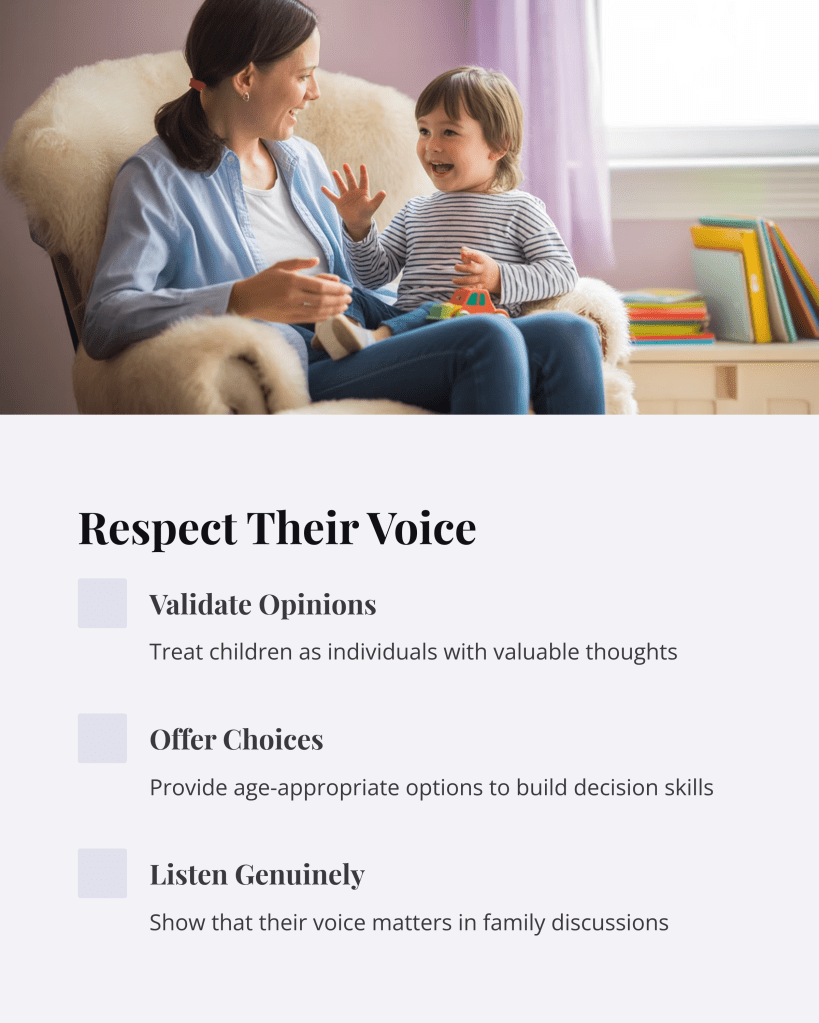
Kids need to know they can be themselves—messy emotions and all. That means listening without judging and reacting calmly when they mess up.
When children feel emotionally safe, they open up more and build a stronger bond with you.
Making It a Daily Habit
Emotional intelligence isn’t built in one day—it’s something we grow together, day by day. Talk about feelings during dinner, model empathy during arguments, and praise emotional effort, not just achievements.
You’re not just raising kids—you’re raising emotionally intelligent humans. And that’s pretty amazing.
Quick Help for Tough Moments
- Tantrums? Stay calm, label the emotion, and ride it out together.
- Peer pressure? Talk openly and practice assertive phrases.
- Sibling fights? Guide them through resolving it on their own with your support.
Helpful Resources
The Ultimate Guide to Modern Parenting Ebook – https://www.digistore24.com/redir/525326/dimathakkar/
Digital Detox for Kids-https://aanchorbiz.com/21-psychological-triggers-to-make-her-beg-you-for-a-second-chance-frontend/#aff=dimathakkar
The Young Achiever’s Blueprint- https://aanchorbiz.com/the-young-achievers-blueprint-frontend/#aff=dimathakkar
Real Parent Wins
Thousands of parents using these strategies report more cooperation, fewer meltdowns, and kids who just get emotions better. Teachers love it too—classrooms become calmer and more connected.
Got Questions? You’re Not Alone
When should I start?
Start young—even toddlers benefit from EI training!
What if I struggle with my own emotions?
You’re not alone. Learn together—it makes it more powerful.
Is this different from IQ?
Totally. IQ is brain smarts. EI is heart smarts.
Can teachers help?
Yes! Many schools now include emotional learning.
Is EI hard for shy kids?
Not at all. Shy kids can be deeply emotionally intelligent—they just need space.
How do I know it’s working?
You’ll notice less frustration, better communication, and more empathy.
You’ve Got This!
Teaching emotional intelligence isn’t always easy—but it’s one of the most important gifts you can give your child. You’re helping them grow into kind, confident, and emotionally strong people. That’s something to be proud of.












 New Sunrays